The Clinical Reality of the First 72 Hours After Senior Hip Surgery at Home
Care and Company Group • August 25, 2026
Preparing a house for a senior returning from a major joint replacement requires more than just rearranging the furniture. The transition from a highly monitored hospital ward to a residential bedroom is often much harder than families anticipate. Our team at Care and Company Group knows that proper planning is the only way to ensure a safe healing environment. We believe that compassionate care during this critical window is what truly makes a difference in long-term recovery.
The first few days at home bring intense physical limitations and extreme fatigue that can easily overwhelm an unprepared household. Without a clinical strategy in place, the risk of accidental falls and medication errors increases drastically. Understanding the exact challenges of these initial hours allows you to secure the right level of support ahead of time. Setting honest expectations today will give your loved one the confidence they need to heal safely tomorrow.
What to Expect:
- The Underestimation of Post-Operative Fatigue
- Navigating the Physical Environment Safely
- Managing Pain and Medication Schedules
- Frequently Asked Questions
- Securing a Safe Recovery
The Underestimation of Post-Operative Fatigue
Many families assume that once the surgery is complete, the senior will quickly bounce back to their baseline energy levels. The reality is that general anesthesia and the trauma of a major joint replacement drain the body entirely. This profound exhaustion makes simple tasks like sitting up in bed or chewing a meal feel like running a marathon.
→ A quick tip to remember: Healing bone and muscle requires immense caloric energy, which naturally leads to daytime sleeping and extreme physical weakness.
Navigating the Physical Environment Safely
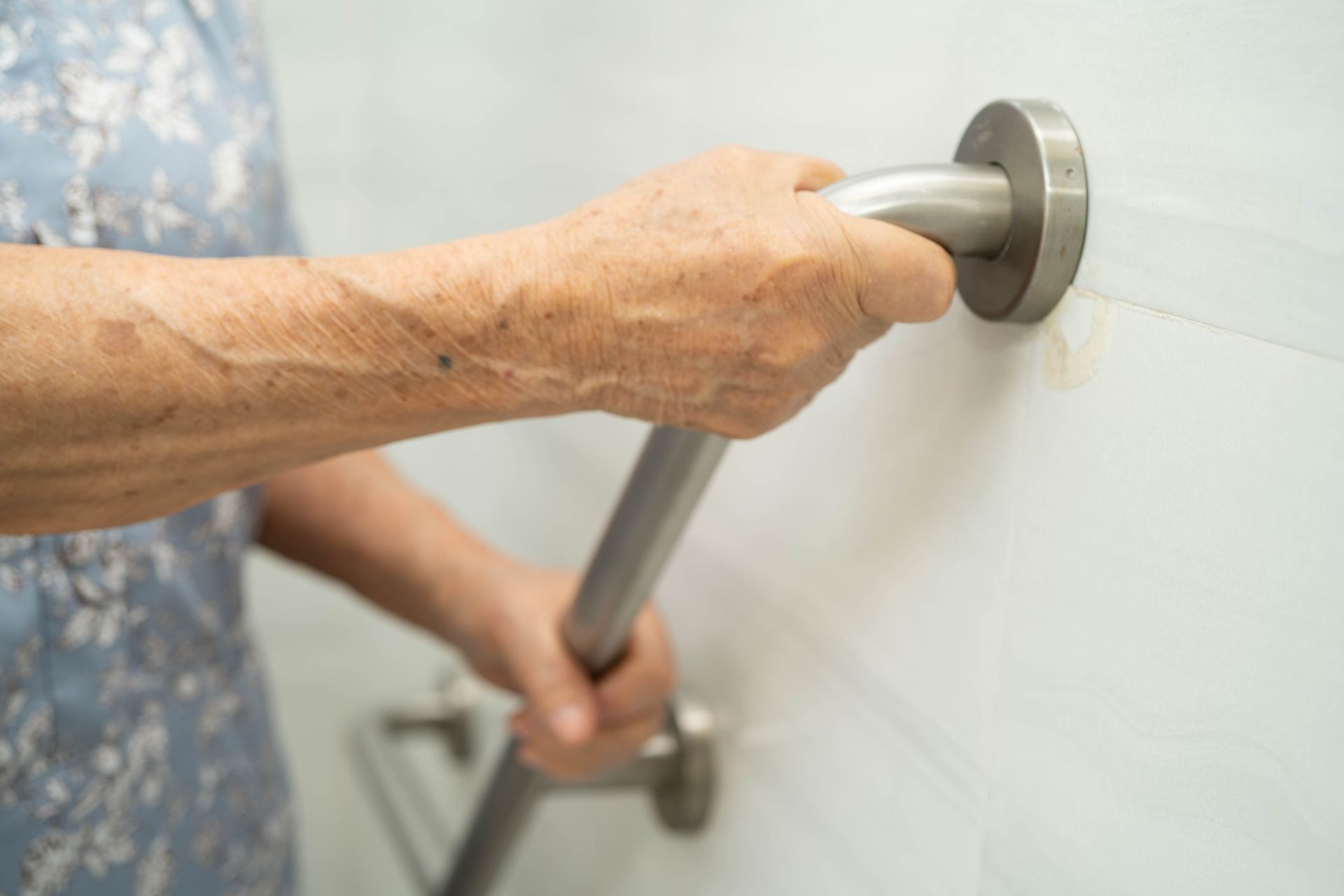
Hospitals are designed for easy mobility with wide hallways and grab bars on every wall. The transition to a residential space immediately highlights hidden dangers. Older split-level properties common across Victoria present unique navigational hazards for someone using a walker for the first time. Navigating a single step to reach the bathroom often requires physical bracing and clinical guidance to prevent a catastrophic fall.
► The first 72 hours carry the highest risk for accidental falls due to a combination of pain medication side effects and unfamiliar mobility equipment.
Managing Pain and Medication Schedules
Staying ahead of the pain is the most important clinical objective during the first few days at home. Once severe pain sets in, the senior will refuse to perform their required physiotherapy exercises, which drastically slows down their recovery. A customized in-home care plan ensures that pain relief is administered precisely on schedule, even during the middle of the night. Caregivers monitor for adverse reactions like nausea or sudden confusion that often accompany strong prescription medications.
Frequently Asked Questions
How long does a senior need 24-hour care after joint surgery?
Most seniors require around the clock supervision for the first one to two weeks following a major joint replacement. This intensive period ensures they can safely navigate trips to the washroom at night and adhere strictly to their medication schedules.
Can a Health Care Aide assist with surgical site monitoring?
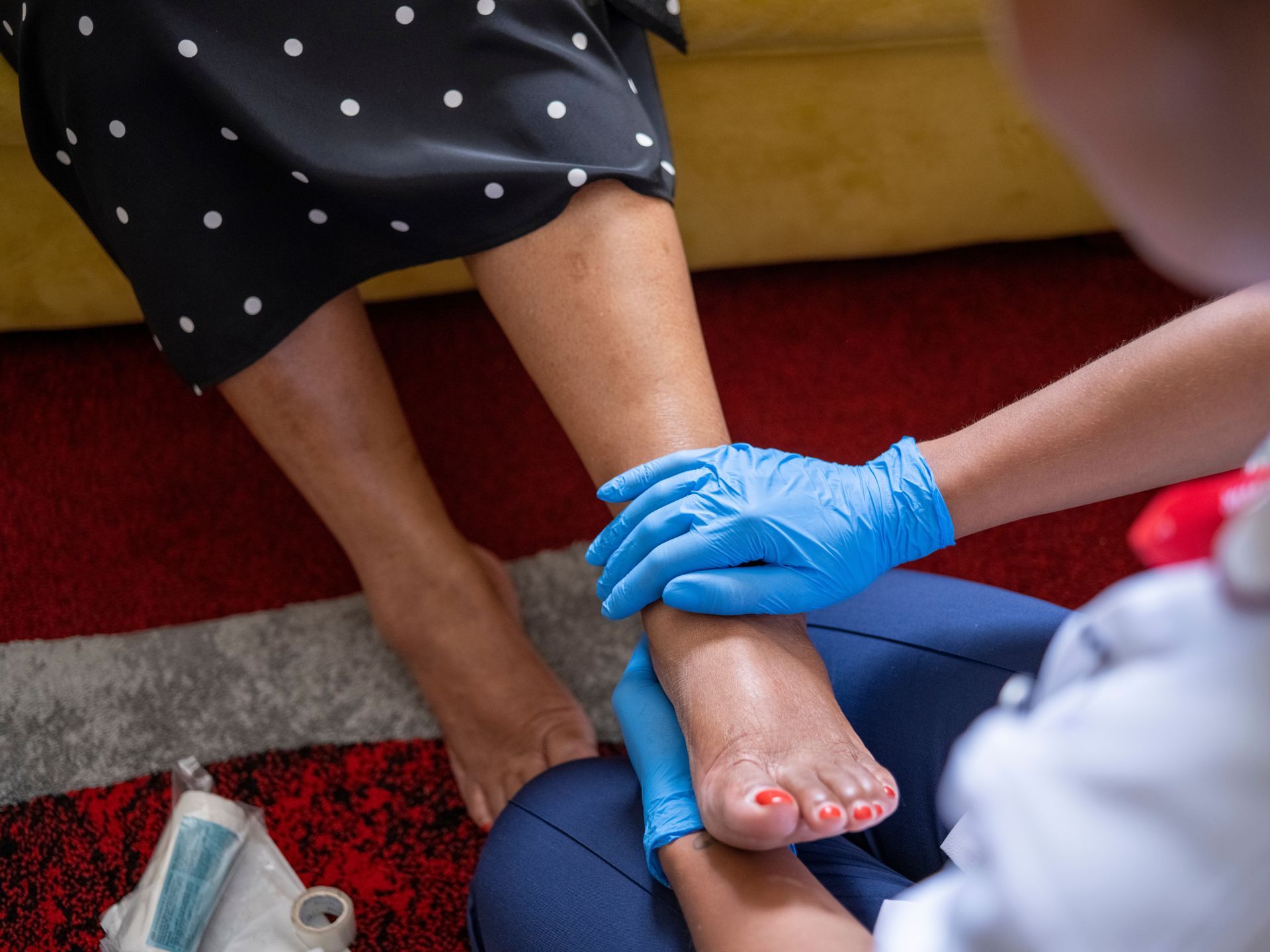
Yes. Trained aides observe the dressing for excess bleeding, unusual odors, or spreading redness. They immediately report these vital observations to the supervising nurse or family to prevent post-operative infections.
What equipment is needed for post-surgery recovery at home?
A raised toilet seat, a sturdy shower chair, and a walker are absolute necessities for protecting the new joint. Removing all throw rugs and securing loose electrical cords is also required before the client steps through the front door.
Securing a Safe Recovery
Proper preparation turns a stressful medical event into a manageable healing journey. Surrounding your loved one with compassionate care and commitment to their safety makes all the difference in their recovery. Contact our team to discuss your home from hospital transition plan.
Share This Blog