4 Essential Boundaries for Families Navigating Palliative Care at Home
Care and Company Group • September 22, 2026
Providing comfort during a loved one's final months is a deeply profound and challenging experience. We at Care and Company Group know it is of vital importance you work with a care provider who shares your values during this sensitive time. Many families try to handle every aspect of end of life care entirely on their own out of a sense of duty. Establishing palliative care at home boundaries is critical for preventing intense physical and emotional burnout.
Inviting professional support into the home does not diminish your role as a loving family member. In fact, relying on experienced staff for the clinical tasks allows you to focus purely on emotional connection. Knowing where to draw the line between being a clinical caregiver and being a relative is a difficult but necessary step. Setting these boundaries ensures the environment remains peaceful and dignified for everyone involved.
What to Expect:
- Tip #1: Delegate the Heavy Physical Tasks
- Tip #2: Protect Your Own Sleep Cycle
- Tip #3: Separate Medical Decisions from Family Time
- Tip #4: Allow Professionals to Handle Skin Integrity
- Frequently Asked Questions
- Embracing Supportive Care
Tip #1: Delegate the Heavy Physical Tasks
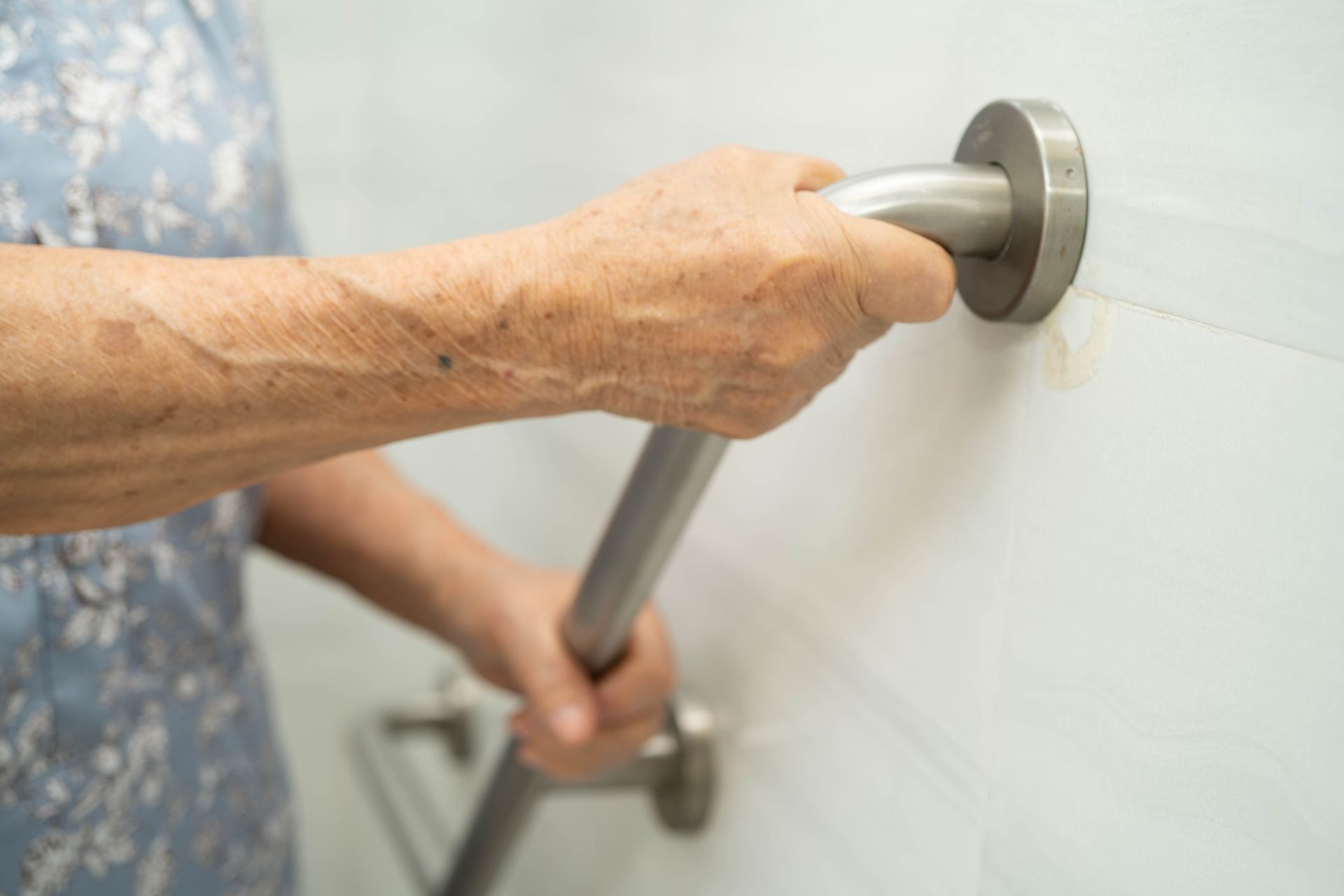
Bathing, dressing, and repositioning a bedbound adult requires specific physical techniques. Attempting to manage these tasks without training often leads to back injuries for the family member and discomfort for the patient.
• Safe Transfers: Caregivers utilize proper body mechanics and equipment to move clients without causing pain.
• Dignified Hygiene: Professional staff provide thorough bed baths that maintain hygiene while protecting the client's dignity.
Tip #2: Protect Your Own Sleep Cycle
The demands of comfort care do not stop when the sun goes down. Families who try to stay awake to monitor breathing or administer pain medication quickly face severe exhaustion.
• Overnight Monitoring: Having a dedicated caregiver present during the night ensures immediate response to pain or anxiety.
• Restorative Rest: Allowing yourself to sleep deeply means you will have the emotional energy required for the next day.
Tip #3: Separate Medical Decisions from Family Time
Constantly managing medication schedules and oxygen tanks shifts your dynamic from family member to clinical nurse. This clinical focus often prevents you from having meaningful, quiet moments with your loved one.
• Scheduled Oversight: Let the nursing staff track the clinical charts and medication logs.
• Focused Presence: Use your time at the bedside to share memories, read aloud, or simply hold their hand in peace.
Tip #4: Allow Professionals to Handle Skin Integrity
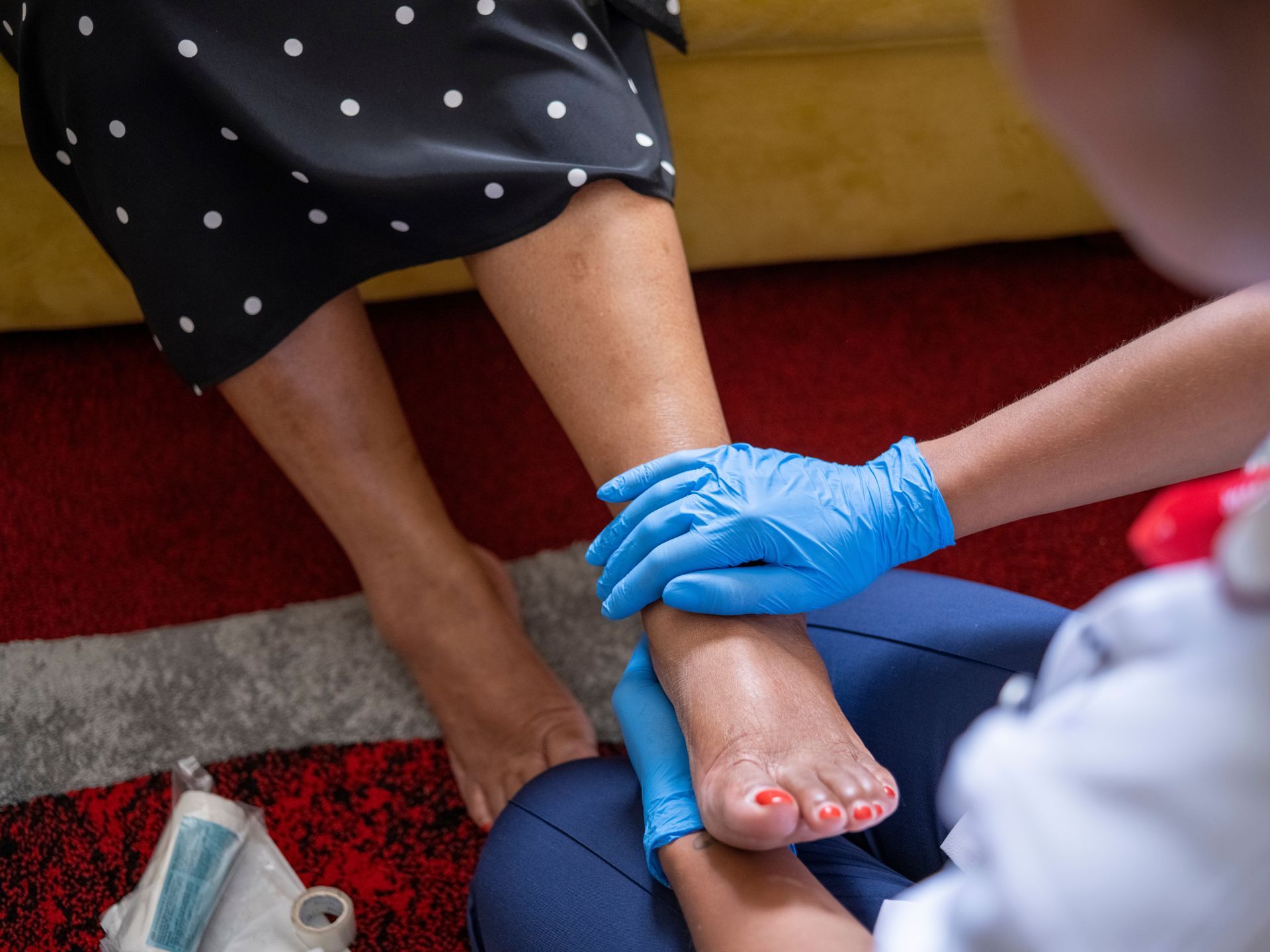
Bedbound patients are at an incredibly high risk for developing painful pressure ulcers. Monitoring skin health requires a clinical eye that most family members do not possess.
• Clinical Assessment: LPNs understand exactly how to inspect vulnerable areas like heels and tailbones for the earliest signs of breakdown.
• Preventative Care: Professionals implement specialized turning schedules and barrier creams that families might not know to use.
Frequently Asked Questions
What is the difference between hospice and palliative home care?
Palliative care focuses on managing symptoms and improving the quality of life for anyone with a serious illness, regardless of life expectancy. Hospice is a specific type of palliative care provided during the final stages of a terminal illness when curative treatments have stopped.
How can families avoid caregiver burnout during end of life care?
Avoiding burnout requires accepting help early and utilizing respite care services. Sharing the responsibility with professional caregivers gives families the necessary breaks to process their own grief and maintain their physical health.
Are LPNs available for overnight palliative support at home?
Yes. We provide skilled nursing staff who can remain at the home overnight to administer pain management protocols. They monitor the client closely, ensuring immediate clinical interventions are available if discomfort arises during the night.
Embracing Supportive Care
Honoring a loved one's wish to remain at home requires a strong partnership with experienced professionals. Letting go of the clinical tasks gives you the space to simply be present during their final chapter. Contact our care team in Nanaimo to discuss how we can walk alongside your family.
Share This Blog