Solving Evening Agitation in Senior Dementia Care at Home in BC
Care and Company Group • August 5, 2026
The process of acknowledging the need for caregiver support can be an emotional space. Like you, we at Care and Company Group would not trust our own loved ones to just anyone. We know it is of vital importance you work with a care provider who shares your values. Watching a parent or spouse struggle with confusion as the day ends brings a unique kind of heartache.
The sunset hours introduce a specific neurological challenge for those living with memory loss. Understanding the root causes of evening agitation in dementia is the first step toward bringing peace back into your home. Professional caregivers use clinical reasoning to manage these difficult hours safely.
Inside This Guide:
- The Biological Reality of Sundowning
- Why do dementia patients get agitated in the late afternoon?
- How Well-Meaning Families Accidentally Worsen the Situation
- Establishing Clinical Routines for Calmer Evenings
- Moving Forward Together
The Biological Reality of Sundowning
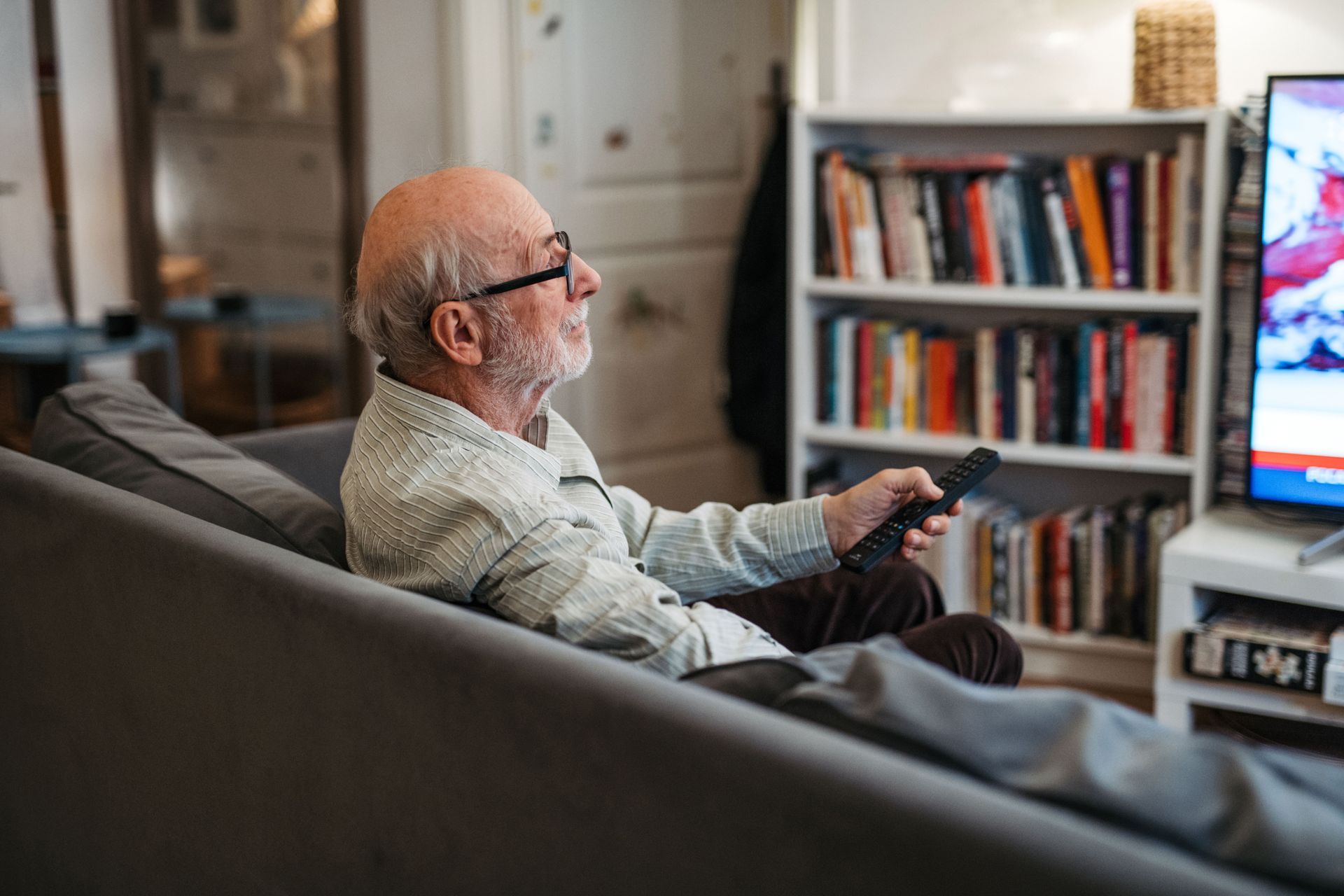
Memory loss alters how the brain perceives the passage of time and the processing of sensory information. As daylight fades, shadows lengthen and the visual environment becomes harder for an aging brain to interpret accurately. This sensory confusion triggers a stress response that often manifests as pacing, repetitive questioning, or sudden anger. The brain is effectively working overtime to make sense of a world that suddenly looks unfamiliar.
Why do dementia patients get agitated in the late afternoon?
The late afternoon represents a convergence of physical exhaustion and hormonal shifts. Circadian rhythms dictate our sleep cycles, and dementia damages the internal clock that regulates these patterns. When natural light decreases, the brain fails to produce the correct signaling chemicals to induce calm, leaving the senior feeling disoriented and physically tired but unable to settle. A drop in blood sugar before dinner also contributes heavily to this restless state.
How Well-Meaning Families Accidentally Worsen the Situation
It is natural to want to correct a confused loved one or logically explain why they do not need to pack a bag to go home. Arguing with a dementia patient during a period of agitation almost always escalates their anxiety. Trying to fix the situation using logic ignores the reality that their brain is currently incapable of processing reason. DIY attempts at redirection often involve turning on bright overhead lights or raising the television volume, which floods their already overwhelmed nervous system with more sensory input.
→ From a professional standpoint: Validating their emotional state rather than correcting their factual errors is the fastest way to deescalate evening anxiety.
Establishing Clinical Routines for Calmer Evenings
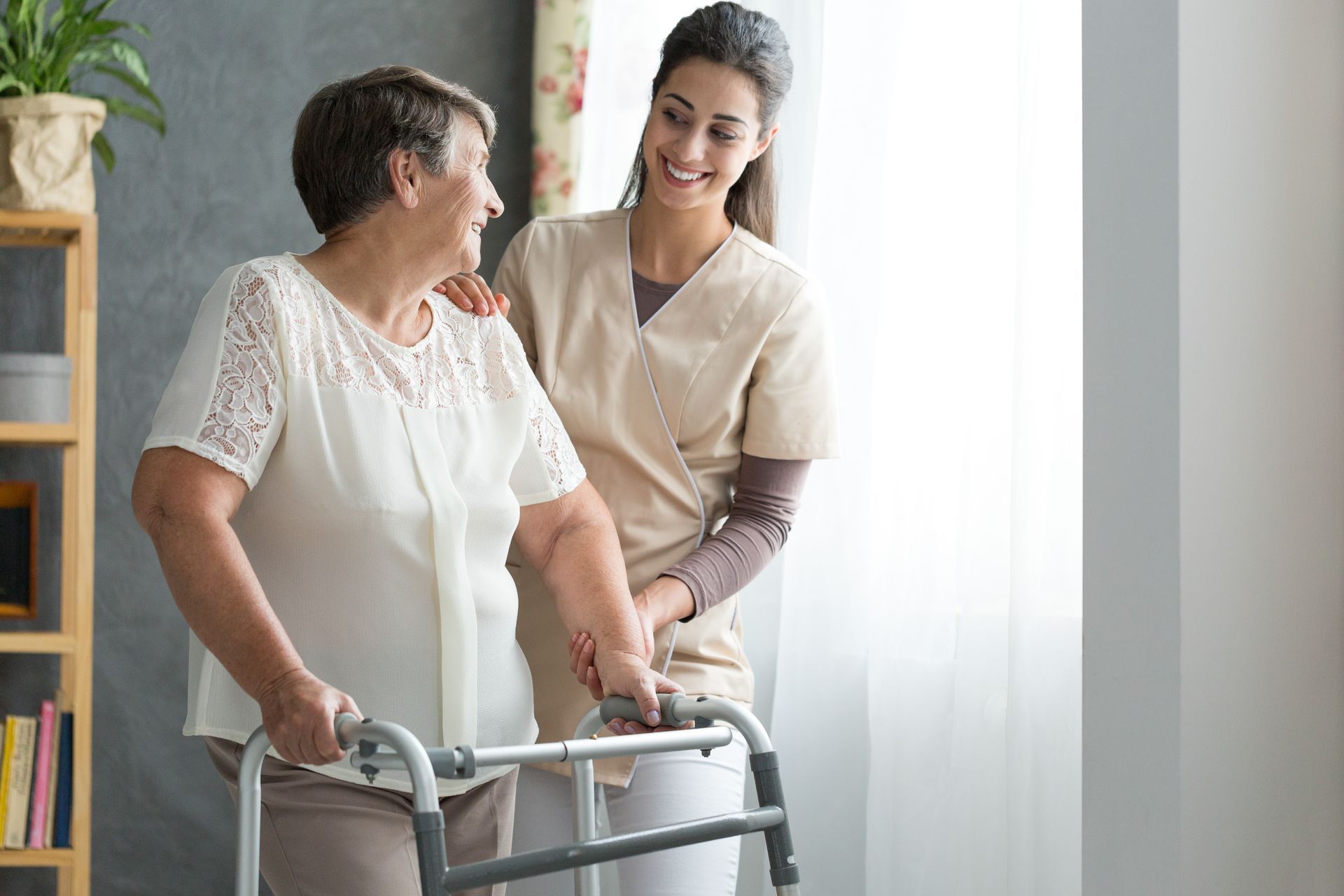
Professional caregivers approach the afternoon hours with a proactive clinical strategy. Customized in-home care plans ensure that strenuous tasks like bathing or complex medical appointments happen earlier in the day when cognitive reserves are highest. Our staff understands the value of gentle companionship during the transition from afternoon to evening. Simple interventions make a massive difference in maintaining a calm environment.
► Even a short afternoon walk near Piper's Lagoon in Nanaimo can help reset the internal body clock before the sun goes down.
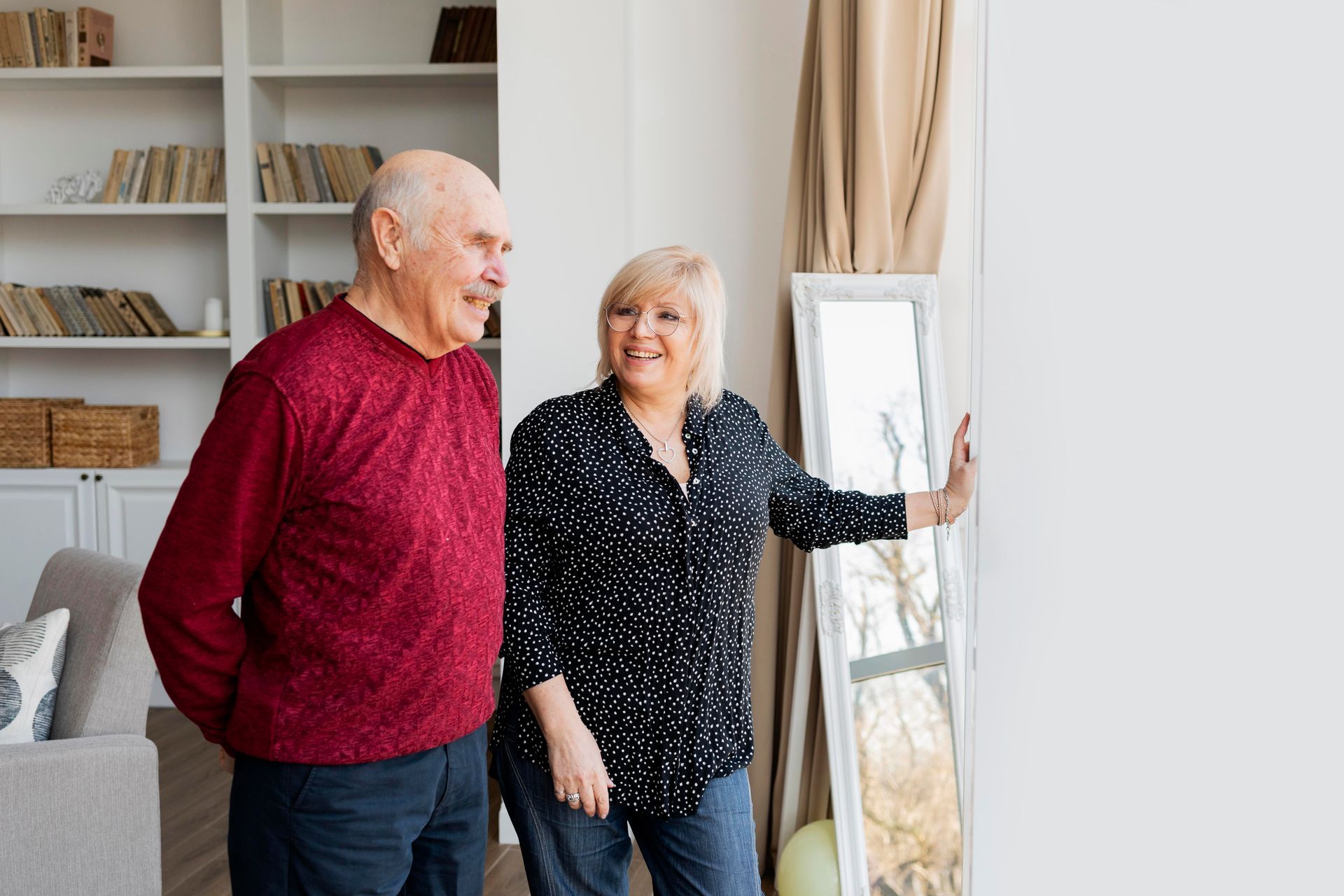
Consistent hydration and small nutritious snacks offered mid-afternoon prevent the blood sugar crashes that fuel agitation. Caregivers also subtly adjust the environment by closing curtains before shadows form and turning on soft ambient lighting. This predictable routine provides a deep sense of security for an overwhelmed mind.
Moving Forward Together
Predictability is the foundation of effective memory care. Creating a calm environment requires a dedicated commitment to meaningful relationships and structured daily rhythms. Reaching out for professional assistance ensures your loved one receives the dignified support they deserve.
Share This Blog