Preventing Sudden Senior Isolation When Busy Fall Family Routines Begin
Care and Company Group • September 8, 2026
The transition from relaxed summer days to hectic autumn schedules is often jarring for everyone. We at Care and Company Group know it is of vital importance you work with a care provider who recognizes how these shifts impact aging relatives. When grandchildren head back to school and parents return to the office, older adults frequently experience a sudden drop in daily social interaction. Senior isolation prevention requires a deliberate strategy to fill the quiet hours that emerge during the workweek.
Loneliness is not just an emotional hurdle because it has tangible effects on physical and cognitive health. Extended periods of isolation lead to depression, decreased mobility, and poor nutritional habits. Recognizing this seasonal vulnerability allows families to establish new routines before the quiet sets in. Bringing in professional support ensures your loved one remains engaged and valued even when your calendar is completely full.
In This Guide:
- Stage 1: Assess
- Stage 2: Schedule
- Stage 3: Protect
- Frequently Asked Questions
- Building a Connected Autumn
Stage 1: Assess
Understanding the specific gaps in your loved one's weekly routine is the foundation of a good care plan. Take a close look at how their days are currently structured.
• Time Audits: Identify the exact hours of the day when the house is completely empty and quiet.
• Mood Monitoring: Note if your parent seems more lethargic or anxious on the days when no family members visit.
• Resource Checking: Evaluate if they have reliable transportation to access their community centers or social groups in Nanaimo.
► The most critical window for senior isolation occurs mid-morning when the initial rush of the day has passed and the silence of the house becomes noticeable.
Stage 2: Schedule
Once you know where the gaps are, you can begin filling them with purposeful activities and support. Consistency is the key to providing emotional security.
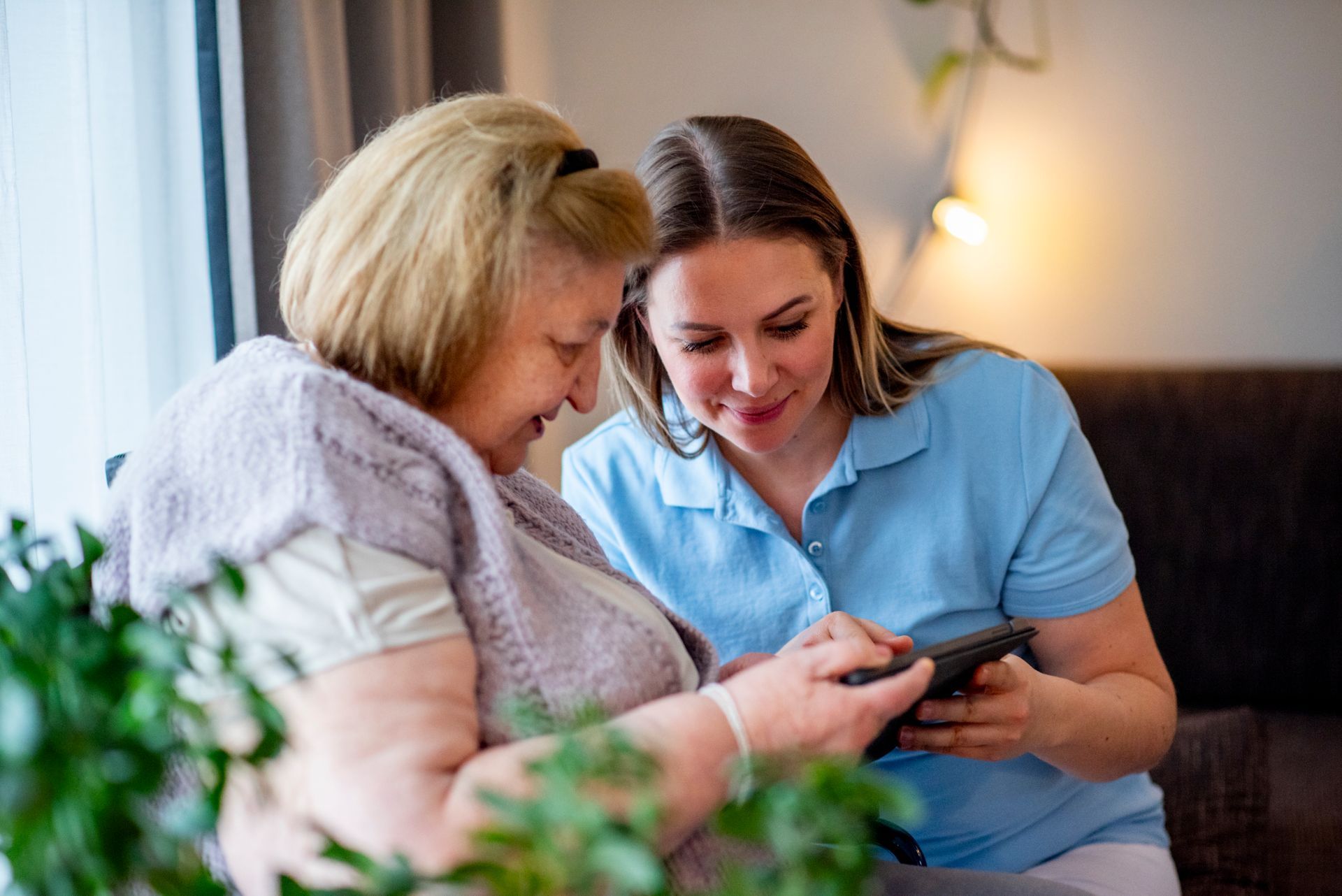
• Professional Companionship: Arrange for regular visits from a dedicated caregiver to share conversation and activities.
• Community Outings: Plan weekly trips to local parks or cafes using safe assisted transportation.
• Family Check-Ins: Set specific days and times for phone calls so the senior has a predictable social event to look forward to.
Stage 3: Protect
Maintaining social wellness requires protecting the established routine from constant changes. A stable environment fosters deep and meaningful relationships.
• Consistent Staffing: Request the same care providers whenever possible to build trust and familiarity.
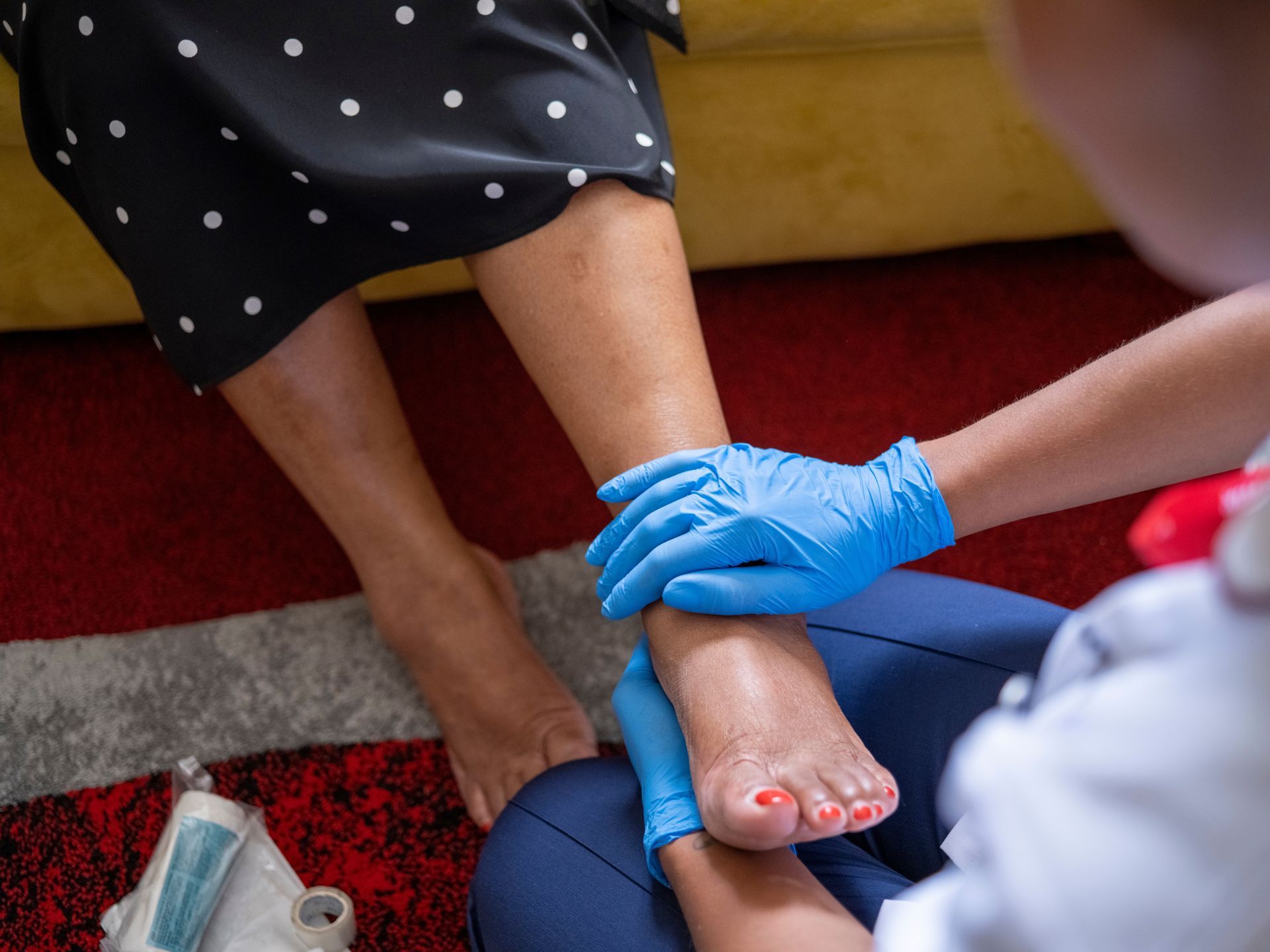
• Health Monitoring: Keep a close eye on their physical health to ensure chronic pain is not preventing them from socializing.
• Hobby Encouragement: Provide the supplies needed for them to continue enjoying their favorite indoor activities during rainy days.
Frequently Asked Questions
How often should a companion visit an elderly parent?
The ideal frequency depends entirely on the senior's current level of independence and cognitive health. Most families find that scheduling two to three visits per week provides a steady rhythm of engagement without feeling overwhelming.
What activities do companion caregivers provide at home?
Professional caregivers engage clients in meaningful tasks that stimulate the brain and encourage movement. This includes playing card games, assisting with light meal preparation, sharing stories, or taking short walks around the neighborhood.
How does isolation affect cognitive health in older adults?
A lack of social stimulation accelerates cognitive decline because the brain is not being challenged by conversation or new information. Regular interaction forces the mind to process language and emotions, which serves as a protective factor against rapid memory loss.
Building a Connected Autumn
Addressing the quiet hours of autumn is a deeply compassionate act that improves the daily reality of aging. Professional companionship offers a reliable bridge between family visits and keeps their spirit bright. Contact us to discuss how our dedicated team can support your loved one this season.
Share This Blog