5 Reasons Standard Rideshare Apps Fail Seniors with Complex Mobility Needs
Care and Company Group • August 11, 2026
The process of acknowledging the need for caregiver support can be an emotional, vulnerable space. Like you, we at Care and Company Group would not trust our own loved ones to just anyone. Securing reliable transportation is a major hurdle for families trying to keep their aging parents active and connected to the community.
Standard rideshare apps offer convenience for the general public but they often fall short when supporting vulnerable adults. Professional assisted transportation for seniors provides a totally different level of clinical safety and physical support. It is important to understand where standard transit options fail so you can protect your loved one.
What We Cover:
- Reason 1: Lack of Physical Transfer Training
- Reason 2: Vehicles Are Not Equipped for Medical Mobility Aids
- Reason 3: The Absence of Cognitive Support During Transit
- Reason 4: Dropping Off vs Seeing Them Inside Safely
- Reason 5: Missing the Warning Signs of Health Changes
- Assisted Transportation and Independence Support Services
- Frequently Asked Questions
- Booking Reliable Support
Reason 1: Lack of Physical Transfer Training
Moving a frail adult from a front porch into a vehicle requires specific clinical knowledge. Standard drivers lack the education to safely bear weight or protect fragile skin during a transfer.
• Safe Handling: Professional caregivers use proper body mechanics to prevent falls and joint injuries.
• Pacing The Client: A trained companion understands that rushing an older adult increases anxiety and fall risks.
Reason 2: Vehicles Are Not Equipped for Medical Mobility Aids
Tossing a folded wheelchair into a compact trunk often damages the equipment and delays the trip. Regular cars sit too low or too high for a senior with limited joint mobility to enter comfortably.
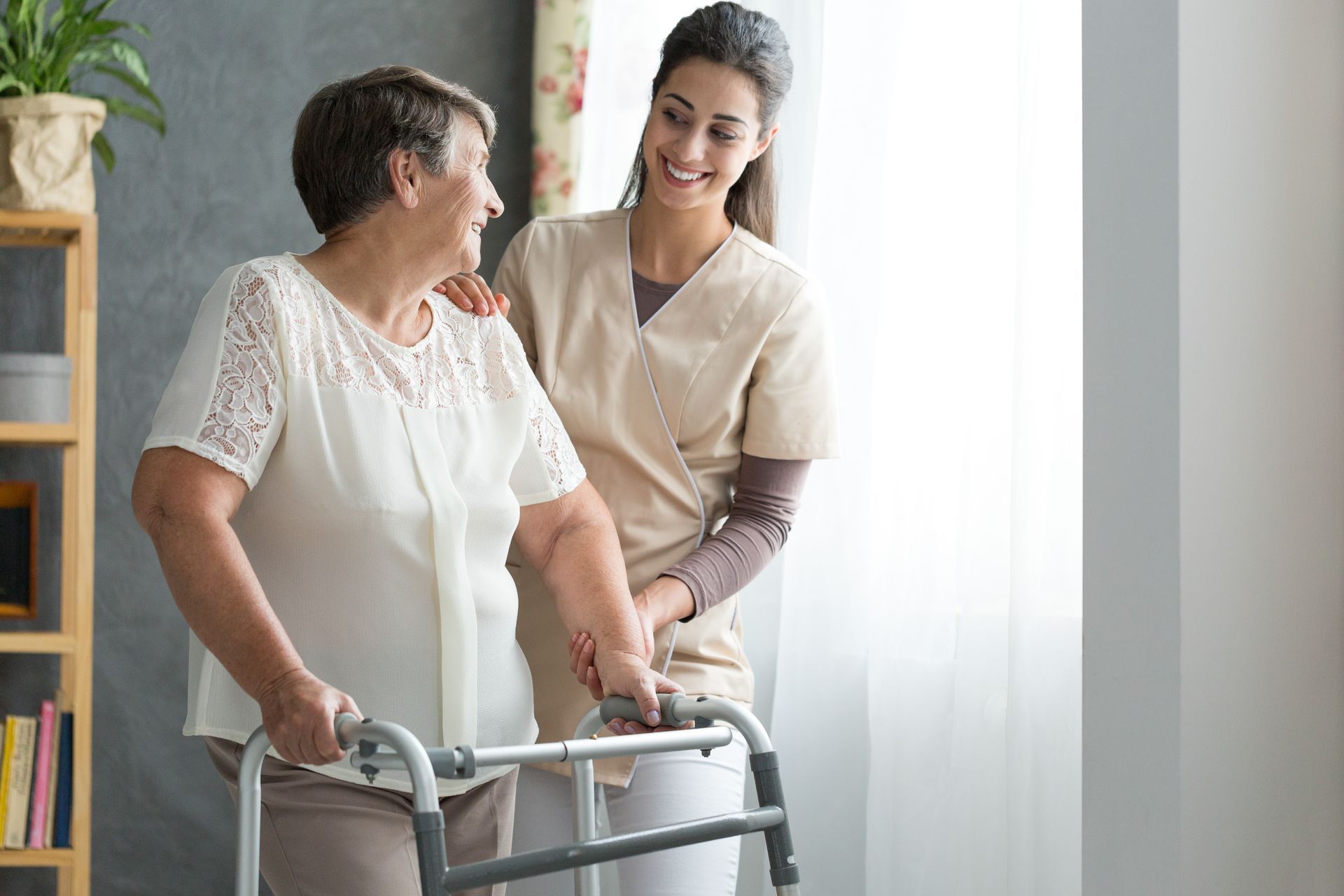
• Proper Clearances: Specialized transit accommodates walkers and wheelchairs without requiring the senior to bend awkwardly.
• Secure Positioning: Clinical staff ensure that seatbelts and positioning aids do not interfere with medical devices or surgical sites.
Reason 3: The Absence of Cognitive Support During Transit
A ride across town can trigger immense anxiety for a senior living with early stage dementia. Standard drivers are focused on the GPS and traffic rather than the emotional state of their passenger.
• Reassurance Protocols: Caregivers offering independence support services know how to redirect anxious questions and provide soothing conversation.
• Familiar Faces: Consistent staffing means the senior travels with a trusted friend rather than a complete stranger.
Reason 4: Dropping Off vs Seeing Them Inside Safely
A standard rideshare ends the moment the vehicle stops at the curb. Navigating the busy entrances at Victoria General Hospital requires a steady hand and a sharp eye for tripping hazards.
• Door To Door Care: Professional companions escort the client directly to the reception desk or waiting room chair.
• Advocacy And Note Taking: Caregivers can stay during the appointment to record doctor instructions for the family.
Reason 5: Missing the Warning Signs of Health Changes
An isolated driver will not notice if a senior is uncharacteristically breathless or confused during the ride. Consistent caregivers monitor baseline health during every single interaction.
• Observation Skills: Staff are trained to spot changes in skin color, breathing patterns, and communication speed.
• Immediate Reporting: Any concerning signs are immediately communicated to the family and care coordinator.
At Care and Company Group, our assisted transportation and independence support services are built to eliminate these exact risks for families in Victoria and Nanaimo. We provide dedicated caregivers who do much more than drive a vehicle. Our team offers physical stabilization, cognitive reassurance, and active clinical observation from the moment they arrive at your door until your loved one is safely settled back home.
Frequently Asked Questions
What is assisted transportation for seniors?
This service goes far beyond a simple taxi ride by pairing the client with a trained caregiver. The caregiver provides physical stabilization, cognitive reassurance, and door to door escorting throughout the entire outing. It ensures vulnerable adults can attend appointments or social events safely.
Are caregivers trained to load wheelchairs into vehicles?
Yes. Our dedicated support staff undergo specific training on how to handle heavy medical equipment safely. They ensure all mobility aids are locked down properly without risking injury to the client or themselves.
How do I book regular transport for medical appointments?
Families can coordinate recurring transit directly through our care management team. We match the client with a consistent caregiver to build a meaningful relationship over time.
Booking Reliable Support
Knowing your parent is in safe hands changes the entire dynamic of a stressful appointment day. Reliable transit paired with compassionate companionship makes life truly worth living for an isolated adult. Contact our team to discuss how we can support your upcoming travel needs.
Share This Blog